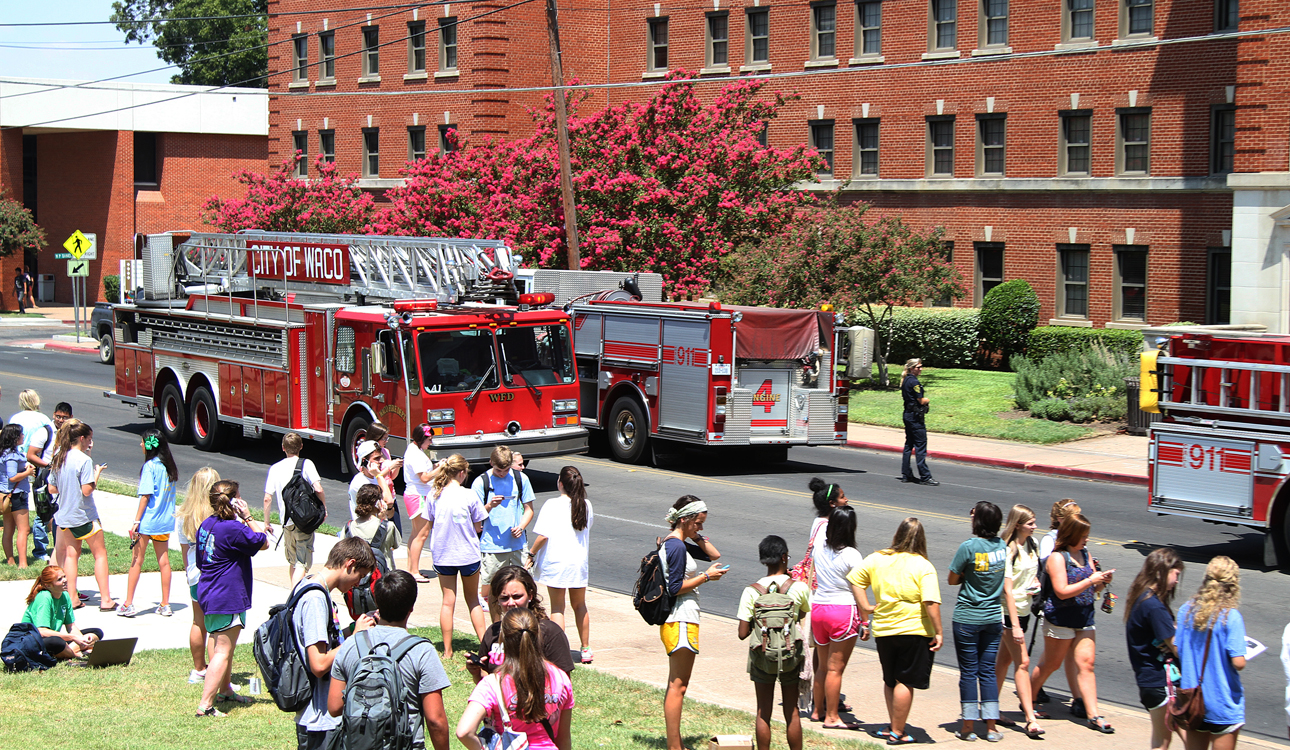
Imagine you're sitting in a movie theater when the fire alarm starts ringing. What do you do? While the media might suggest a panicked crowd storming toward the exits, data shows that people often do the opposite: absolutely nothing. Understanding why this happens and how to overcome it is an important skill that could one day save your life.
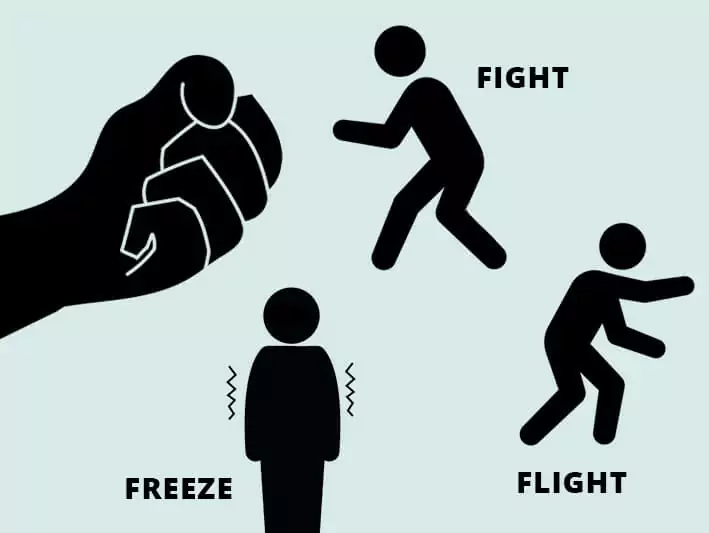
The Third Response: Freezing
When facing threats, we often expect the fight-or-flight response, but there is a third, much more common reaction: behavioral inaction, also known as freezing. One example occurred during the 2001 World Trade Center attacks. Data from the National Institute of Standards and Technology showed that the average survivor waited around six minutes before attempting to evacuate, with people on higher floors often waiting the longest before moving.
Normalcy Bias and Social Proof
Two psychological phenomena can explain this hesitation: normalcy bias and social proof. Normalcy bias is the brain's tendency to underestimate the likelihood and impact of a disaster, causing people to assume that serious warnings are false alarms or less dangerous than they actually are. Social proof worsens this problem. In confusing situations, people look to others to decide how to act. In an emergency where no one knows what to do, individuals look around, see others remaining still, and copy that behavior.
How to Overcome the Freeze
Overcoming these psychological traps requires shifting from passive compliance to active awareness. You can combat normalcy bias by playing "What If?" games whenever you enter unfamiliar places — for example, looking for the nearest exit in a restaurant, or mentally planning an escape route during a safety briefing instead of ignoring it. These small mental habits train your brain to bypass the freeze response. When the moment comes, you won't be waiting to see what others do — you'll already know what to do.