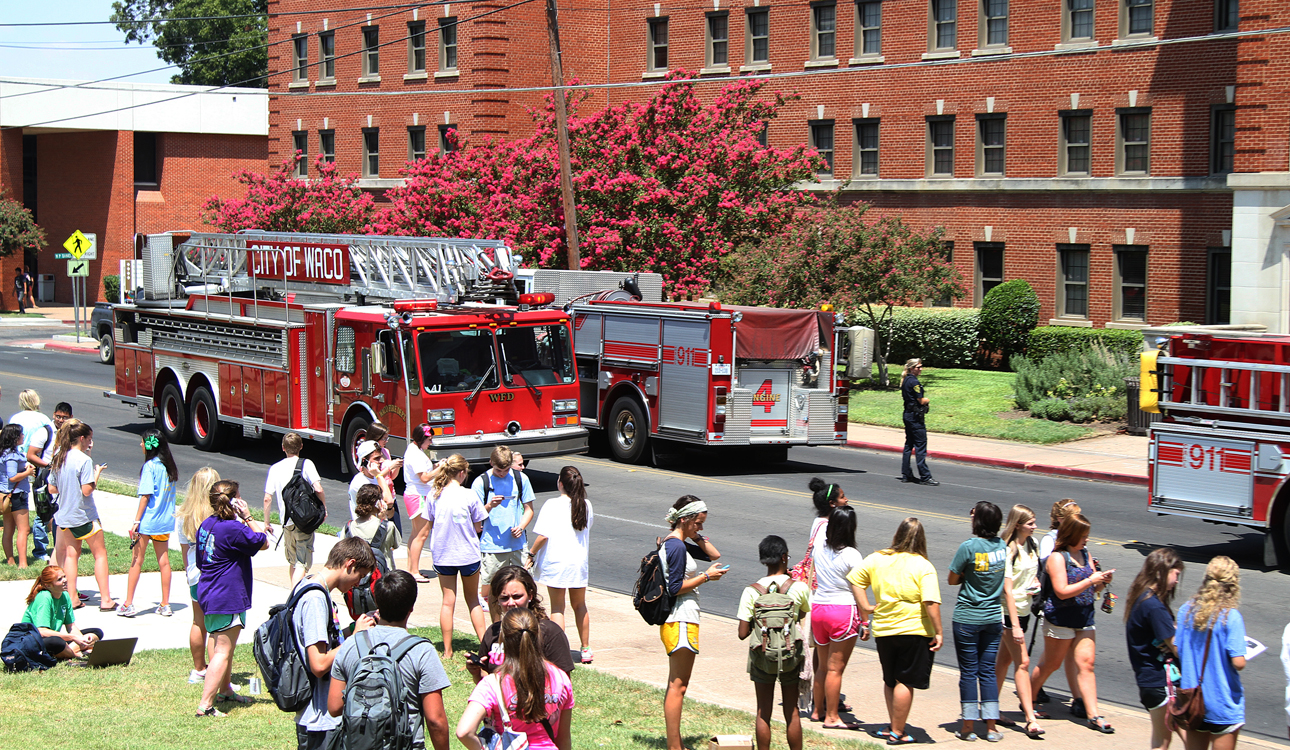
For students, two drills have been drilled into their minds since kindergarten: the fire drill and the lockdown drill. Some may call it useless or simply see it as a break from grueling class hours. Some may even say that if the event were real, they would not be walking in a line — they would be scurrying out in waves. However, drills aren't meant to be a hassle in a student's studies. They serve a purpose that could save a life in an emergency.
In countries such as Germany, France, the United States, and Japan, safety drills — including fire drills for schools and workplaces — are highly recommended by law enforcement or government organizations. In the US specifically, a historic tragedy at Our Lady of the Angels school in 1958, a school fire that killed 92 students and three nuns, paved the way for heavily regulated safety systems in schools against fires and gas leaks. The results of this incident are visible in every school and workplace building, where fire extinguishers and fire alarms are within reach at all times. The goals of a fire drill are to get students and staff to reach their nearest exit efficiently, almost as if it's second nature. In a large setting such as an office building or a high school, knowing the nearest exit could mean life or death during an emergency.
With the knowledge of where exits are, students and workers now have more options for any sort of emergency that involves evacuation. During lockdown drills, sometimes students may not be able to find a classroom to hide in safely, and with the threat of an intruder, teachers are faced with difficult decisions. Taking into account this scenario, schools such as Syosset High School implemented new rules during real lockdown scenarios for students to leave school grounds if they are in danger by staying in it. Knowing the location of exits and useful tools for obscuring vision, such as a fire extinguisher, can help students even in situations such as a lockdown. The adaptability of skills learned in emergency drills can be applied in various cases, making it integral for students and staff to have.
Drills Work — The Evidence Is Clear
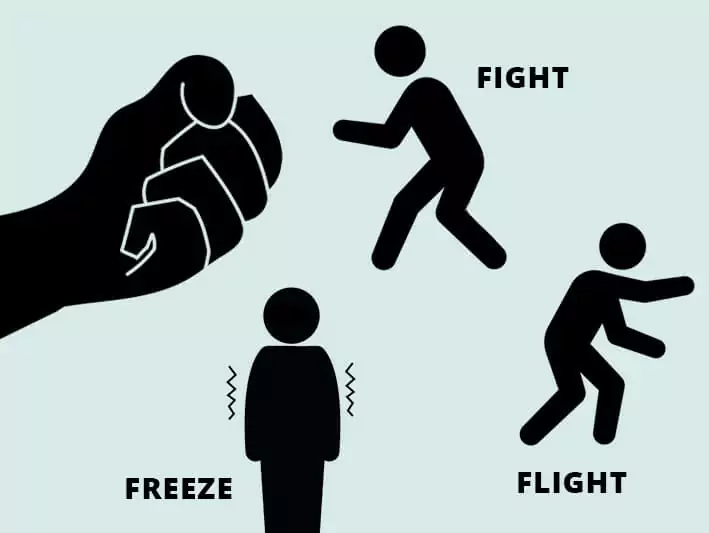
It is true that in a real emergency, panic can cause people to act hysterically. People may push one another to reach safety or be too scared to budge. Even so, the success of emergency drills is undeniable:
- Fire drills are mandatory by US state law to protect students from fires and gas leaks.
- Morgan Stanley Company's evacuation drills saved thousands of lives during the 9/11 attack.
- According to lead researcher David Riedman of the K-12 school shooting database, Oxford High School's lockdown protocols kept students and staff safe behind locked doors during an active shooting.
All of these outcomes became possible through persistent practice — routines that became instinctive reactions when it mattered most.