Imagine this: you're in the park, hanging out with your friend, and in a split second, your friend starts to complain about a sharp pain in his chest that is spreading down his left arm. He starts to become dizzy and short of breath, and suddenly collapses in front of you. While you are panicking, your friend is insisting that calling 911 isn't necessary, and that he simply is experiencing indigestion. After 30 minutes, his condition worsens, and you finally decide to call 911. In emergencies like these, it is crucial to avoid common mistakes and to create an optimal situation for your friend or family member to survive. So, what are the common mistakes, and how do you avoid them?
Mistake #1: Panicking Instead of Responding
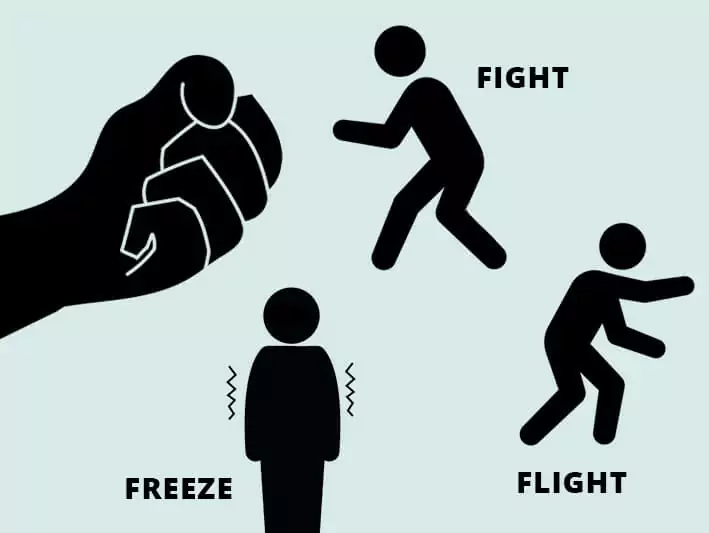
One common mistake is panicking instead of responding. An example of this is just like what happened earlier — you felt fear, confusion, and even adrenaline, which ultimately overpowered your rational thoughts. According to the Hiranandani Hospital, panicking blocks your judgment, which causes hasty, irrational mistakes that can result in overlooking crucial details. In situations like these, it's important to utilize breathing or grounding techniques to help you stay calm and focused to be able to assess the situation rationally. It is also important to mentally practice for situations like this. For example, drills can be used to simulate an emergency and allow you to stay calm when it really matters.
Mistake #2: Giving Incorrect Information to Emergency Services
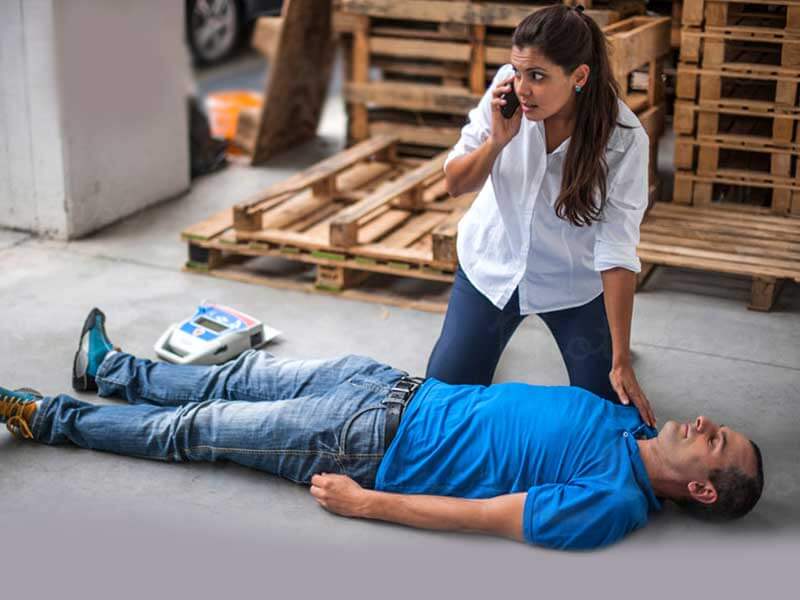
Another common mistake is giving incorrect information to emergency services. Misinformation, such as the wrong location, the severity of the situation, or even inaccurate descriptions, can always have a negative impact. For example, giving the wrong location will direct first responders away from the actual location of the emergency and, as a result, will delay immediate care. Moreover, even exaggerating the severity of the situation will change the priorities of first responders, possibly diverting them from a more urgent situation that may require more pressing attention. In order to avoid this mistake, make sure to always be careful with the information that you are providing so that emergency services can respond accordingly.
Mistake #3: Moving an Injured Person
A third common mistake is moving an injured person. It is a common instinct for people to try to help the person by moving them to a safer area or into a more comfortable position, but this can cause more harm than good. The American Academy of CPR and First Aid states that the understanding of when to move an injured person is a critical part of learning first aid. Depending on the injury, moving someone can worsen the condition, increase bleeding, cause spinal cord damage, or even paralyze the victim. The only times you should move an injured person are:
- When there is immediate danger to the person
- When the environment itself is unsafe
- When you need to reposition the person to perform CPR
In addition, having training beforehand is essential as it gives awareness of types of injuries, an understanding of the risks, and the knowledge to avoid unnecessary actions.
Even if a sudden emergency happens, it's very crucial and important to stay calm. Being able to stay calm will help you assess the situation and give the right information to emergency services to get the best help for the victim. Even though you want to try and help, it's best to wait for first responders unless there are specific factors such as an unsafe environment, immediate danger, or the necessity of CPR. By avoiding these common mistakes, your chances of aiding the victim increase astronomically — so keep these things in mind.