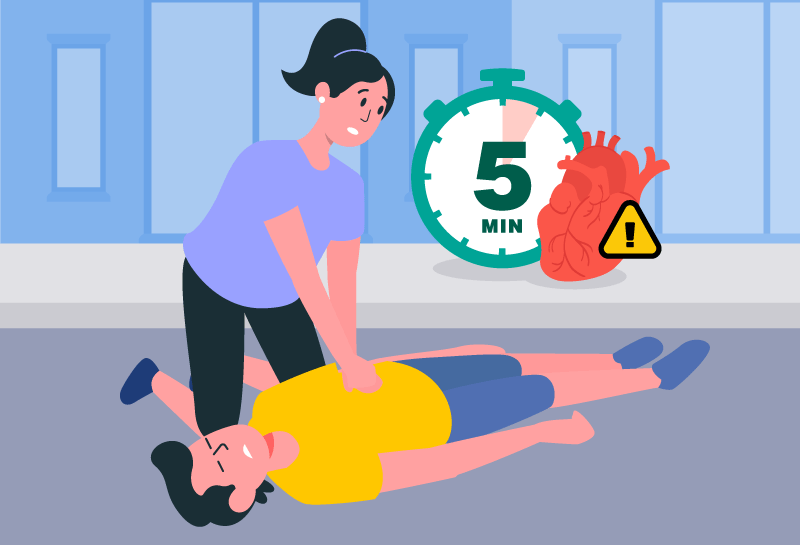
"AHHHH, I need help!" You hear your friend scream after tumbling down a staircase at the mall. You panic, and your brain tells you to do something immediately. But what? In moments like this, the first five minutes matter more than most people realize. Whether it is a fall, a car crash, or another urgent medical crisis, what matters most is what you do before professional help arrives. Knowing basic first aid can help you stay calm and provide meaningful support in those critical first moments.
Why the First Five Minutes Matter
These first five minutes are crucial for helping a friend, loved one, or even a stranger. Quick and thoughtful action can significantly affect outcomes, especially when injuries are severe or symptoms are worsening rapidly.
Step 1: Check the Scene and the Person
The first thing to do is assess the environment and the victim. Make sure the area is safe before rushing in. According to the American Red Cross, checking the scene helps you provide better care and prevents you from becoming another victim.
For example, if someone falls down stairs, quickly scan for hazards such as broken objects, unstable footing, or crowding. Then assess the person: Are they conscious? Breathing? Responsive when you call their name? These observations help determine what action to take next.
Step 2: Call for Help Immediately
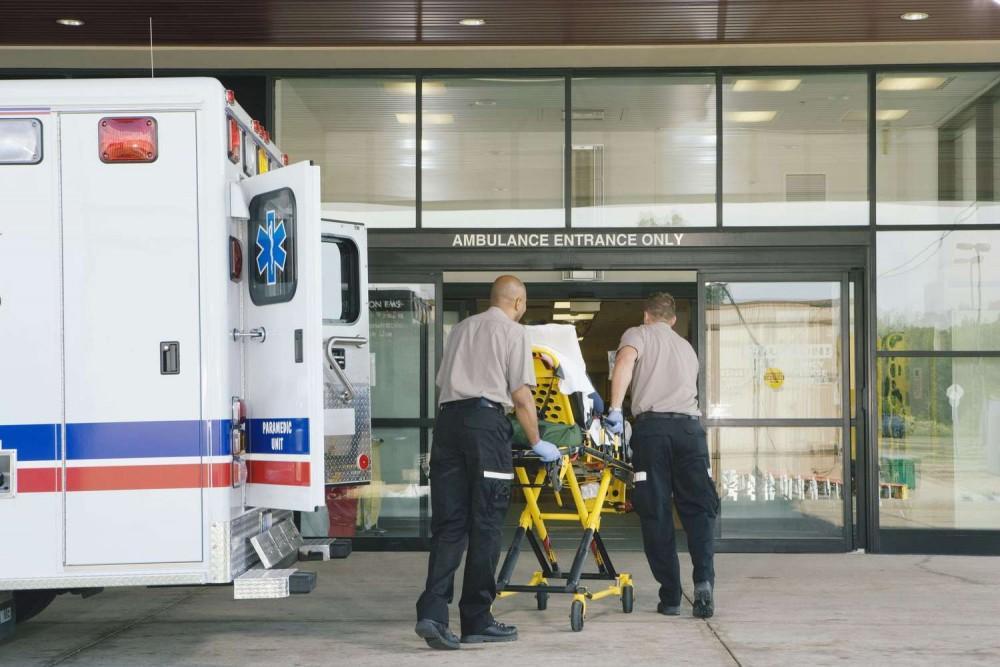
After checking the situation, call 911 right away. Fast activation of emergency services is especially important if someone is unresponsive or in life-threatening condition. Stay calm and clearly explain your location, what happened, and the person's condition.
The Mid-Atlantic Emergency Medical Associates notes that catching warning signs early can determine the kind of care someone needs, so give dispatchers as much detail as possible. Put the call on speaker and follow instructions while waiting. Even if you are unsure whether it is serious enough, calling is safer than waiting and risking deterioration.
Step 3: Care While Waiting
While waiting for responders, provide simple supportive care. Keep the person still after a fall, apply pressure to bleeding when appropriate, or help them remain conscious. These actions can prevent the situation from worsening.
Sometimes the best care is staying with the person, reassuring them, and avoiding unnecessary movement. These steps are simple, but they help both you and the victim remain calmer and more focused.
Remember CCC: Check, Call, Care
The first five minutes of an emergency are stressful, but a simple framework can help: CCC, the American Red Cross method for check, call, and care. If you check the scene, call for help, and care for the person, you can make a real difference before 911 arrives.
In those first crucial minutes, small actions can help save lives.