Quick, your best friend is having a heart attack and is unresponsive. What should you do? In a medical emergency, recognizing and responding immediately could save a life within minutes. It is key to understand the signs of a medical emergency and what you can do to protect your own life or someone else's.
What Is a Medical Emergency?
According to the Cleveland Clinic, a medical emergency is an illness or event that needs professional medical care as soon as possible. Symptoms are often severe enough to cause serious impairment of bodily organs, bodily functions, or make a person a danger to themselves or others.
This could include bleeding that will not stop, loss of a limb, head or spine injuries, sudden severe pain, seizures, or becoming unconscious. All of these are classified as medical emergencies and require immediate attention by a medical professional. If you are unsure, still seek help.
How to Seek Help
First, ensure that you are safe or in a safe place. Take a deep breath. Then call 911, or direct someone nearby to call emergency services for you.
Stay calm and give the operator exact details: your location, what the emergency is, and what happened. Follow the operator's instructions carefully. Do not hang up unless they tell you to.
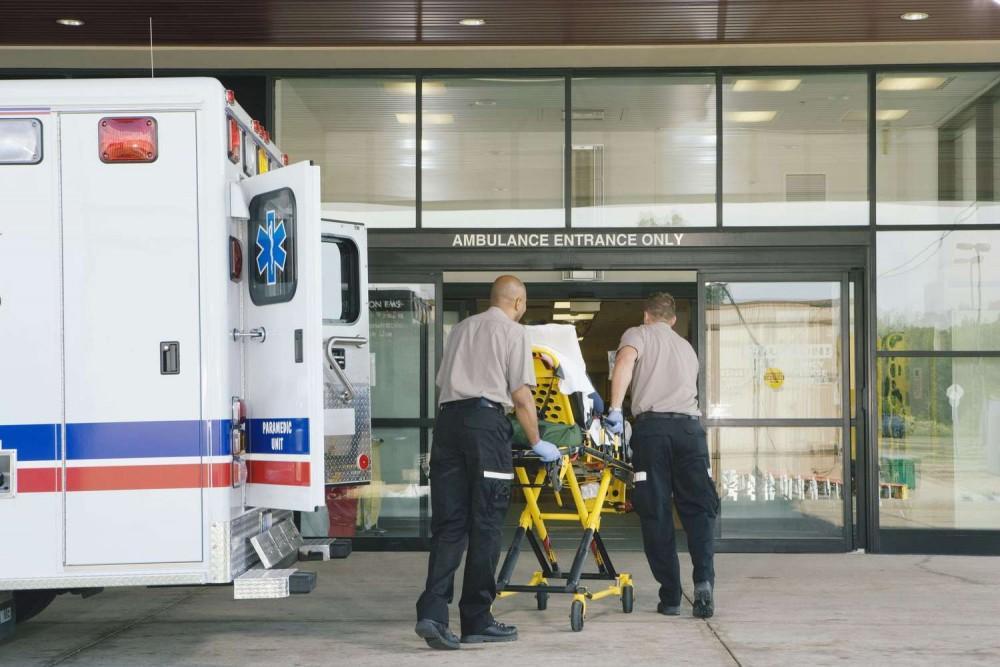
You can also transport someone to the nearest hospital if you are not the one experiencing the emergency, but this is usually not recommended. Emergency responders can begin treatment as soon as they arrive, which is often faster and safer than self-transport.
Responding While Waiting for 911
After calling 911, or while someone else is calling, perform CPR (cardiopulmonary resuscitation) if needed. Do not attempt CPR if it is unsafe to be near the person or if you do not know proper technique.
If the person is unconscious and the area is safe, you can place them in the recovery position. According to the American Red Cross, place them on their left side with one arm raised to support the head. This helps keep the airway clear of blood, vomit, or other fluids. Place the other hand against their face as support, and bend one or both knees to stabilize the body.
Be cautious if neck, head, or back injuries are possible, and only reposition when necessary. Then monitor breathing and condition changes until first responders arrive.
Stay Calm, Act Fast
In a medical emergency, reacting quickly makes all the difference. Recognizing warning signs and understanding how to respond can help save lives. Stay calm, follow emergency instructions, and when in doubt, call 911.