When a person is unconscious, not breathing, or has no pulse, extra life-saving procedures are needed to ensure a higher chance of survival. Unfortunately, it is impossible to determine the heart rhythm without a machine. That is where AEDs, or automated external defibrillators, come in: they analyze the heart rhythm and deliver electric shocks to restore a normal rhythm.
Before Starting
Before using an AED, assess the safety of your surroundings and call 911. Make sure that both you and the victim are in a safe environment before providing help. Then turn on the AED and follow the voice prompts exactly.
Step-by-Step Instructions
- Check that the scene is safe and confirm whether the victim is breathing and has a pulse. Call 911 as soon as possible, either yourself or by assigning a bystander.
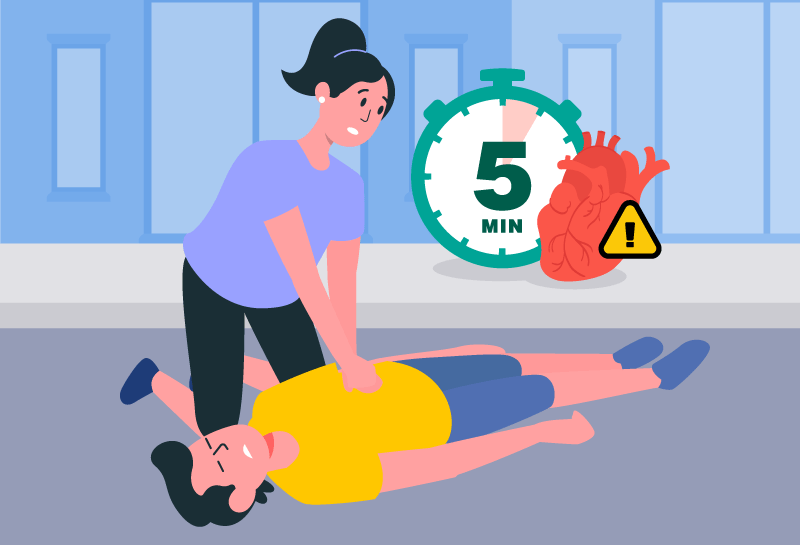
- Direct a specific bystander to get an AED immediately. No time can be wasted. Begin CPR until the AED arrives.
- When the AED arrives, turn it on and follow the prompts. Remove clothing from the victim and make sure the chest area is dry.
- For adults and teens, place one pad on the upper-right chest below the collarbone and one pad on the lower-left side beneath the armpit. For children under 8 years old, place one pad on the center of the chest and one pad on the back.
- As the AED analyzes heart rhythm, make sure that no one is touching the victim.
- If a shock is advised, spread your arms out and clearly yell "Clear!" so everyone steps away. Then deliver the shock when prompted.
- After the shock, continue CPR until professional help arrives or the AED provides further instructions.
Tips and Warnings
When asking bystanders to call 911 or get an AED, never be vague. Every moment is critical in a life-threatening situation. Avoid saying "Someone call 911" or "Someone get an AED" because the bystander effect can delay help. Point directly to a person and assign a specific task so action happens immediately.
Never rush into an unsafe scene. Both you and the victim must be in a safe location before assistance can be provided. If both people are injured, survival chances drop significantly.
Do not be afraid to be loud. Clearing space around the victim is vital when delivering AED care, so use clear and confident volume to keep people back.