Imagine you're home alone when you suddenly slip down the stairs and feel a sharp pain in your leg. No one is around to help you, and your phone is across the room. What would you do? Many emergencies are unpredictable, and sometimes, no one is available to help you. In any circumstance, whether it is a medical emergency, fire, or any type of accident, it is extremely important to know what to do on your own. This can keep you safe and increase the chance of getting the help you need quickly.
What To Do
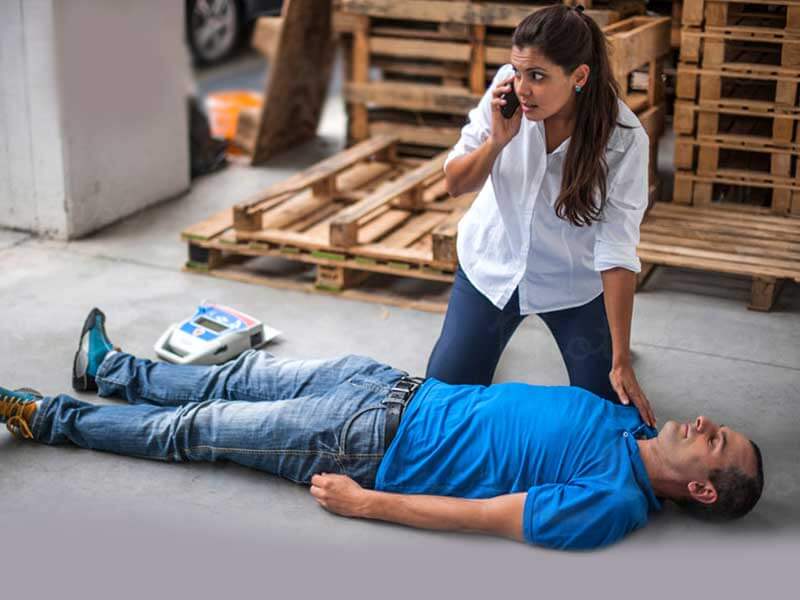
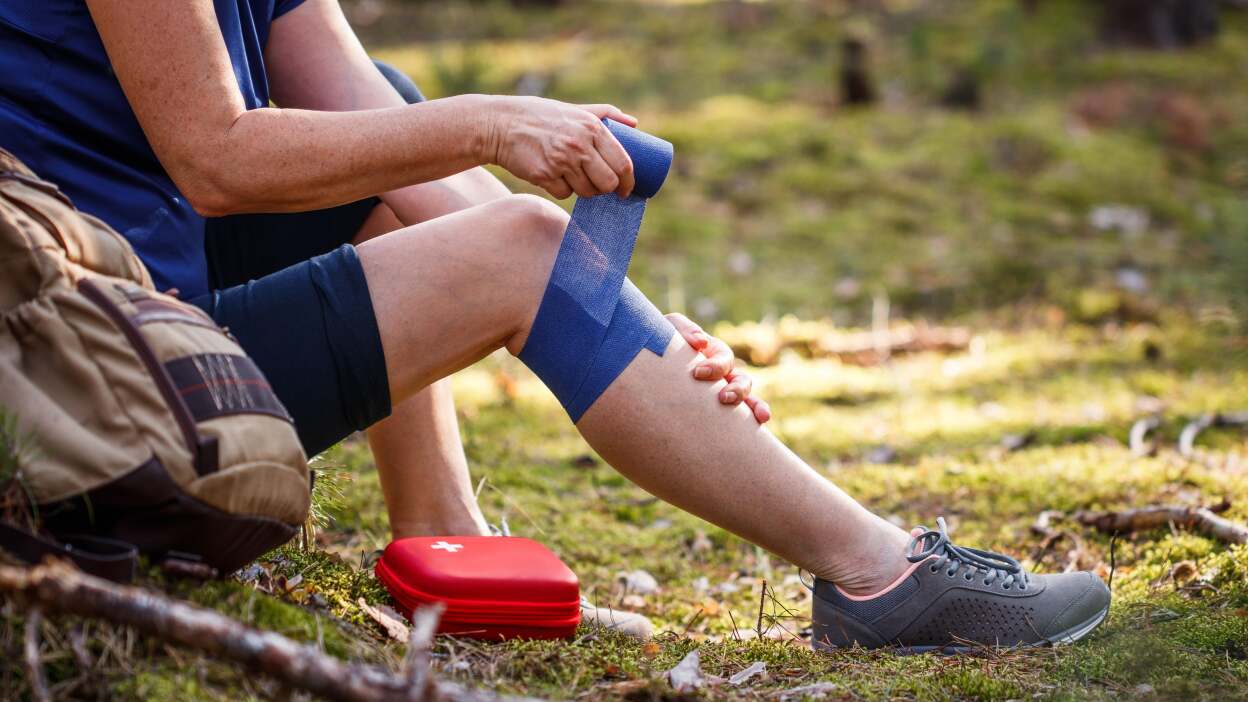
The first thing you should do in any emergency is call 911 or your local emergency number. Tell the dispatcher your location, what happened, and any injuries as accurately as possible so responders can reach you in time. If you cannot speak safely, 911 also offers text support. After calling, focus on staying stable. If you are injured, do not move unless you have to — movement with serious injuries, especially a possible spinal injury, can worsen the situation significantly. If you are bleeding, apply firm pressure using a clean cloth, towel, or clothing. According to the American Red Cross, this slows blood loss and buys critical time for responders to arrive.
In situations involving fire or a gas leak, your first priority is to get away from the hazard. Leave the most affected area and move somewhere safer before making any calls, and do not go back to retrieve belongings — your safety comes first.
Staying Calm and Using Technology
During an emergency, it is just as important to stay mentally composed. Panic makes it harder to think clearly and make good decisions. Taking slow breaths and focusing on one step at a time can help. According to Ready.gov, acting quickly and calmly significantly improves outcomes. Your phone is also a powerful tool — modern devices can automatically share your location with emergency responders and have features that detect dangerous situations, such as hard falls or crashes, and alert authorities on your behalf.
Although being in an emergency alone can be frightening, staying prepared and thinking on your feet makes an enormous difference. Knowing how to call for help, protect yourself, and remain calm allows you to respond more effectively until help arrives.