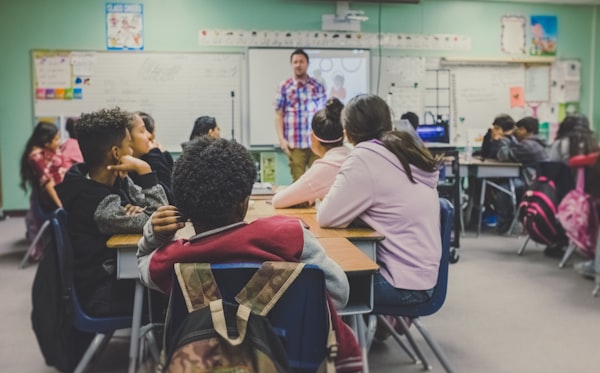
Preparations for emergencies usually occur in or near one's home. However, an emergency can occur anywhere — schools, the workplace, shops, during a concert, at an airport, and other highly frequented areas — when you least expect it. Preparing for an emergency outside of one's premises is important as they can occur anytime, anywhere. It is especially important to pay attention to the details around you because it can make a significant difference when you have to respond quickly in emergency situations.
Know Your Surroundings
According to the American Red Cross preparedness recommendations, one needs to keep track of their whereabouts and the location of emergency exits. People seldom keep that in mind until an emergency happens, but understanding your surroundings is essential for safe and quick evacuations. Additionally, remaining aware of what is happening is critical to identifying the emergency and reacting to it accordingly, since not every emergency can be dealt with the same way.
Carry Emergency Supplies
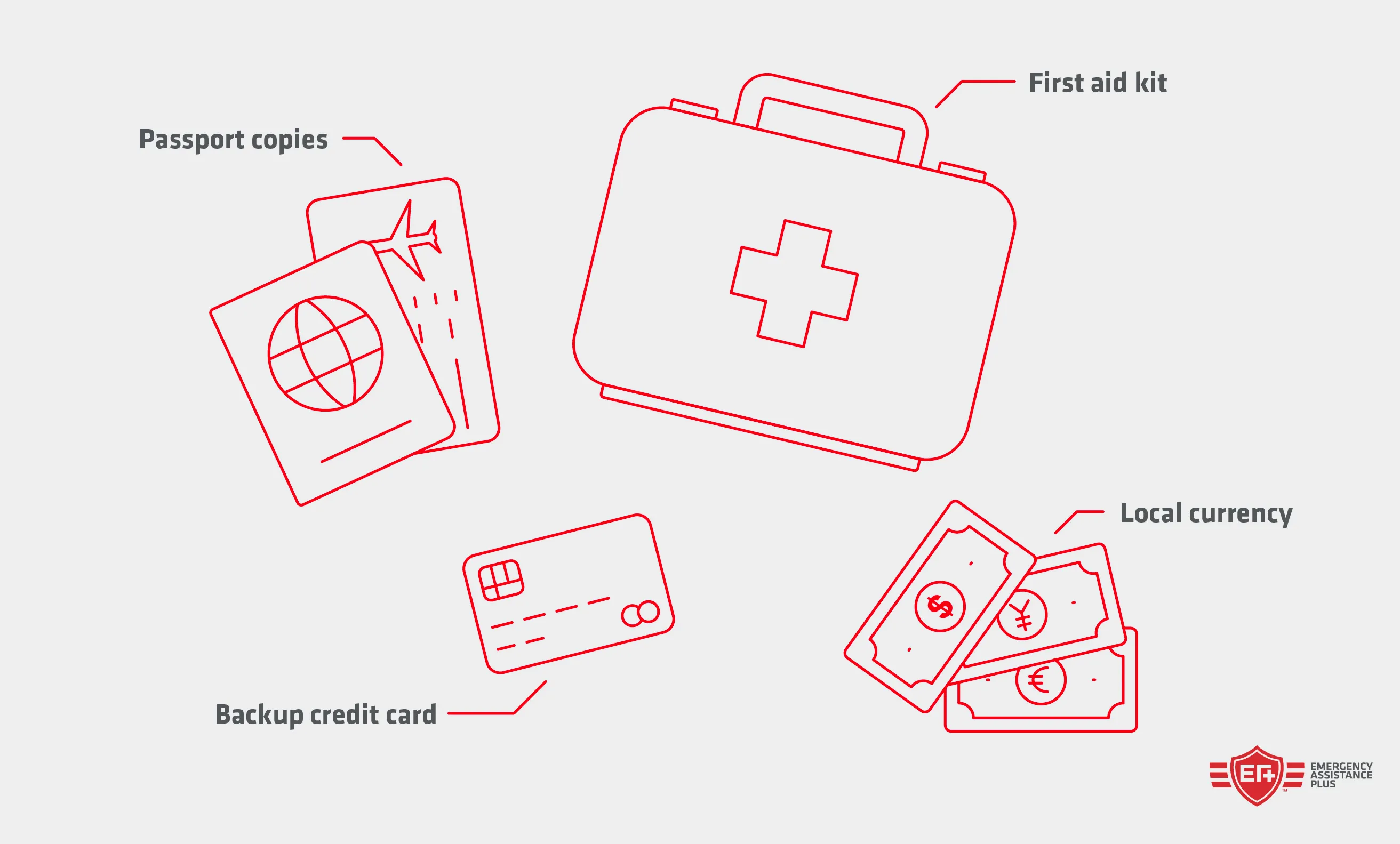
Having small emergency supplies on you definitely increases safety and readiness. Essential items to keep with you include:
- A fully charged mobile device
- A compact first-aid kit
- A flashlight
- A bottle of water
- Emergency contact information
The Federal Emergency Management Agency (FEMA) also recommends carrying snacks, medication, money, and other personal necessities. Such supplies may seem small or insignificant, but in an unexpected situation they will definitely bring relief.
Stay Composed and Think Clearly
One more significant aspect of readiness concerns the ability to act in a new, unknown environment. In an emergency, everything can spiral out of control. Remaining composed, attentive to information and instructions, and thinking rationally can be extremely helpful for you and other people to stay safe. In any foreign place, it is key to have the contact numbers of local authorities and to know how to reach them. Know the nearest safe locations, as well as ways to get to them safely. Having information about all emergency procedures at work and school in advance will decrease panic and facilitate the process more smoothly.
Communicate Effectively
A fundamental component of preparedness is effective communication. During an emergency situation, being able to contact one's family members or first responders will decrease stress levels and confusion. It is advisable to have emergency contacts stored on one's phone and to know how to share your current location. Creating an emergency plan with a set meeting point ahead of time — in case normal communication fails — can reduce panic and help first responders reach everyone quickly. Preparedness does not mean expecting something bad to happen each day; it means building habits that improve your safety, sense of security, and overall alertness.